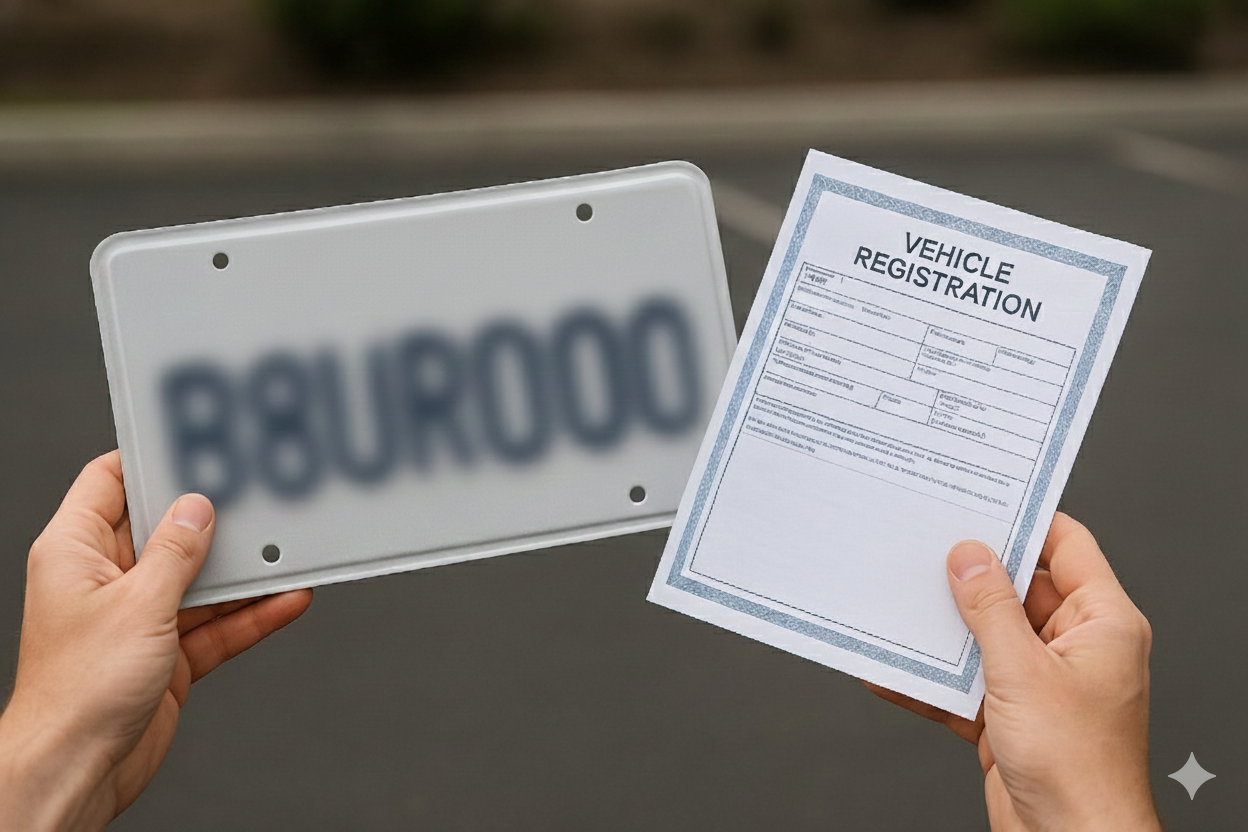
If you own a vehicle, you will come across two important documents at some point: the vehicle title and the vehicle registration. Although the terms sound similar, they serve very different purposes. Understanding the difference makes it easier to buy, sell, transfer, or legally operate a vehicle anywhere.
What Is a Vehicle Title?
A vehicle title is the official document that proves who owns the vehicle. It contains key details such as:
- The owner’s name
- The vehicle identification number (VIN)
- The make, model, and year of the vehicle
- Any lienholder information if the vehicle is financed
The title stays with the owner and only changes hands when the vehicle is sold, transferred, inherited, or fully paid off.
When Do You Need a Vehicle Title?
You typically need the title when:
- Buying or selling a vehicle
- Transferring ownership to another person
- Paying off a vehicle loan
- Moving to another state and applying for a new title
Because it is the main proof of ownership, the title should be kept in a safe place—not inside the vehicle.
What Is Vehicle Registration?
Vehicle registration is the process of officially recording a vehicle with the state or local transportation authority, allowing it to be legally driven on public roads. When a car is registered, the owner usually receives:
- A license plate
- A registration certificate
- A renewal sticker or tag
Registration links the vehicle to its owner or driver and confirms that the necessary taxes, fees, and insurance requirements have been met.
What Does a Registration Show?
A registration document typically includes:
- The vehicle owner’s name
- The license plate number
- Vehicle information
- The expiration or renewal date
Unlike the title, the registration certificate should be kept inside the vehicle in case it is requested during a traffic stop.
Key Differences Between Title and Registration
Here is a simple comparison to highlight the distinction:
Purpose
- Title: Proves ownership of the vehicle
- Registration: Proves the vehicle is legally allowed on public roads
When Used
- Title: For buying, selling, or transferring ownership
- Registration: For everyday driving and compliance
Where It Should Be Kept
- Title: Stored safely at home
- Registration: Kept inside the vehicle
Why You Need Both Documents
Even though they serve different functions, both documents are necessary:
- The title shows who legally owns the vehicle.
- The registration shows that the vehicle is approved for road use and meets local requirements.
Without a valid title, you cannot legally transfer ownership. Without valid registration, you may not be allowed to operate the vehicle on public roads.
What If You Lose Either Document?
If the title is lost, damaged, or stolen, you can request a duplicate from the appropriate motor vehicle authority by submitting identification and paying a replacement fee.
If you lose your registration certificate or tag, you can also request a replacement through the same authority or an authorised service provider.
Replacing missing documents promptly helps avoid delays or complications, especially during a sale or inspection.
Final Thoughts
A vehicle title and a vehicle registration may seem similar, but they play very different roles. The title identifies the owner, while the registration ensures the vehicle is legally recognized for road use. Keeping both documents up to date and appropriately stored makes vehicle ownership smoother and less stressful, regardless of where you live.

 Llámenos: 954-848-4808
 Correo electrónico: autotagsofusa@gmail.com
 Dirección: 2050 N Federal Hwy Pompano beach Fl 33062
  Horario De Apertura: Mon-Fri || 9 AM-5 PM | Sat & Sun close